The automotive industry is evolving rapidly, and Victoria is at the forefront of this transformation. As electric vehicles (EVs) become more affordable, efficient, and environmentally friendly, more Victorians are making the switch from traditional fuel-powered cars to electric ones. With growing infrastructure and government support, the future of electric cars and EV charging in Victoria looks bright, sustainable, and full of innovation.
The Rise of Electric Vehicles in Victoria
In recent years, Victoria has witnessed a significant surge in electric vehicle ownership. From compact city cars to luxury SUVs, EV options are expanding across all price ranges. This growth is driven by several factors:
Increasing fuel costs
Growing awareness of climate change
Attractive government incentives
Expanding EV charging infrastructure in Victoria
As of 2025, thousands of Victorians have embraced the electric revolution, reducing their carbon footprint while enjoying smoother, quieter rides and lower maintenance costs.
Government Support and Initiatives
The Victorian Government has taken proactive steps to encourage EV adoption through incentives and infrastructure investments. Programs such as rebates for new electric car purchases, road-user charge reductions, and grants for EV charging stations are helping accelerate this transition.
The Zero Emissions Vehicle (ZEV) Roadmap aims to ensure that half of all new car sales in Victoria are electric by 2030. These initiatives show that the future of electric mobility is not just possible—it’s inevitable.
The Evolution of EV Charging Infrastructure
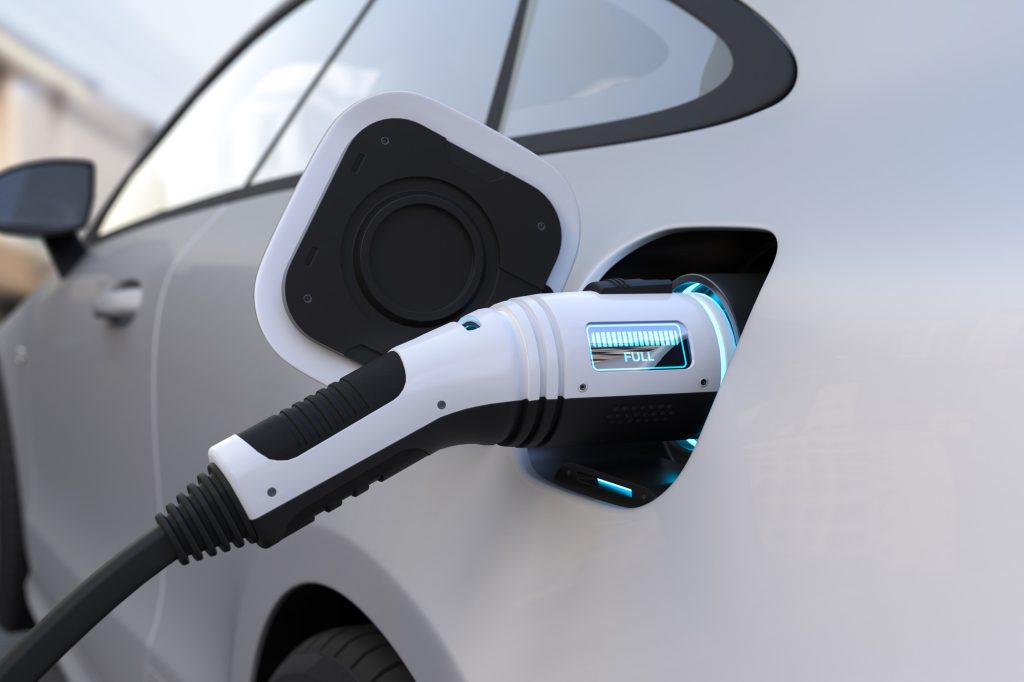
A major factor in the success of electric vehicles is the availability of charging stations. Victoria has been steadily developing a vast and accessible EV charging network, ensuring that drivers can travel long distances without worrying about running out of charge.
There are three main types of EV chargers:
Level 1 (Slow Charging): Suitable for home use, using standard power outlets.
Level 2 (Fast Charging): Found in workplaces and public areas, offering quicker charging times.
DC Fast Chargers (Ultra-Fast): Can charge an EV battery to 80% in just 30 minutes.
The Victorian Government, in partnership with private companies, is installing hundreds of EV charging stations across Melbourne and regional areas to make long-distance travel more convenient and reliable.
Smart Charging and Renewable Energy Integration
One of the most exciting aspects of the EV future is the integration of renewable energy and smart charging technology. By connecting EV chargers to solar systems and smart grids, Victoria is enabling a cleaner, greener way to power electric vehicles.
Smart charging systems allow users to:
Charge during off-peak hours to reduce electricity costs
Sync with home solar systems to use renewable energy
Monitor charging sessions through mobile apps
This integration not only promotes sustainability but also helps balance the energy grid, making EVs an essential part of Victoria’s renewable energy ecosystem.
Addressing Range Anxiety
“Range anxiety” — the fear of running out of charge during travel — remains one of the biggest barriers to EV adoption. However, with battery technology improving rapidly, newer electric cars can travel 400–600 km per charge, making them more practical for everyday use.
Moreover, Victoria’s growing network of public EV charging stations ensures that drivers can easily find a charging point on highways, shopping centres, and even residential areas. Apps and GPS systems now provide real-time information about nearby charging spots, availability, and pricing.
The Economic Impact of Electric Cars
The shift towards electric mobility is not just an environmental win—it’s also creating new economic opportunities in Victoria. The demand for EV components, batteries, and charging systems has sparked local manufacturing and service industries.
Electric vehicle adoption contributes to:
Job creation in the clean energy sector
Growth of EV maintenance and installation services
Increased demand for EV charging station providers
Boosted tourism through eco-friendly travel options
These economic benefits make electric mobility a smart long-term investment for both individuals and businesses.
Sustainability and Environmental Benefits
Electric vehicles produce zero tailpipe emissions, significantly reducing air pollution and greenhouse gases. When powered by renewable energy sources like solar or wind, EVs become nearly carbon-neutral. This aligns perfectly with Victoria’s goal to achieve net-zero emissions by 2045.
Additionally, the rise of battery recycling programs ensures that old EV batteries are repurposed, reducing waste and promoting a circular economy.
Innovations Shaping the Future
The future of electric cars and EV charging in Victoria will be defined by several groundbreaking innovations:
Wireless Charging: Inductive charging pads will soon allow EVs to recharge without cables.
Vehicle-to-Grid (V2G) Technology: EVs will not only draw power but also supply electricity back to the grid during high demand.
Ultra-Fast Charging Networks: Charging times will drop below 10 minutes with advanced DC technology.
AI-Powered Charging Management: Smart algorithms will optimize charging schedules to minimize costs and reduce strain on the grid.
These technologies will make EV ownership even more convenient and efficient.
Challenges and the Road Ahead
Despite rapid progress, there are still challenges to overcome:
High upfront vehicle costs
Limited charging access in remote areas
Need for standardization across charging networks
However, continuous investment, innovation, and policy support are steadily addressing these barriers. As the market matures, prices will continue to fall, and accessibility will rise—paving the way for a fully electrified transport system in Victoria.
The Future is Electric
Victoria is on the verge of a transportation revolution. With strong government policies, sustainable infrastructure, and increasing consumer confidence, electric cars are no longer the future—they are the present. As EV charging networks in Victoria expand and technology evolves, owning an electric car will soon be as simple and convenient as owning a smartphone.
Embracing electric mobility today means contributing to a cleaner, more sustainable tomorrow. The roads of Victoria are set to become greener, smarter, and quieter—powered by innovation and renewable energy.
Conclusion
The future of electric cars and EV charging in Victoria is bright, driven by progress, sustainability, and community support. As more drivers switch to electric vehicles, Victoria will continue to lead Australia’s green transport movement. Whether it’s through smart EV charging systems, renewable power integration, or advanced vehicle technologies, one thing is certain—the electric revolution is unstoppable.