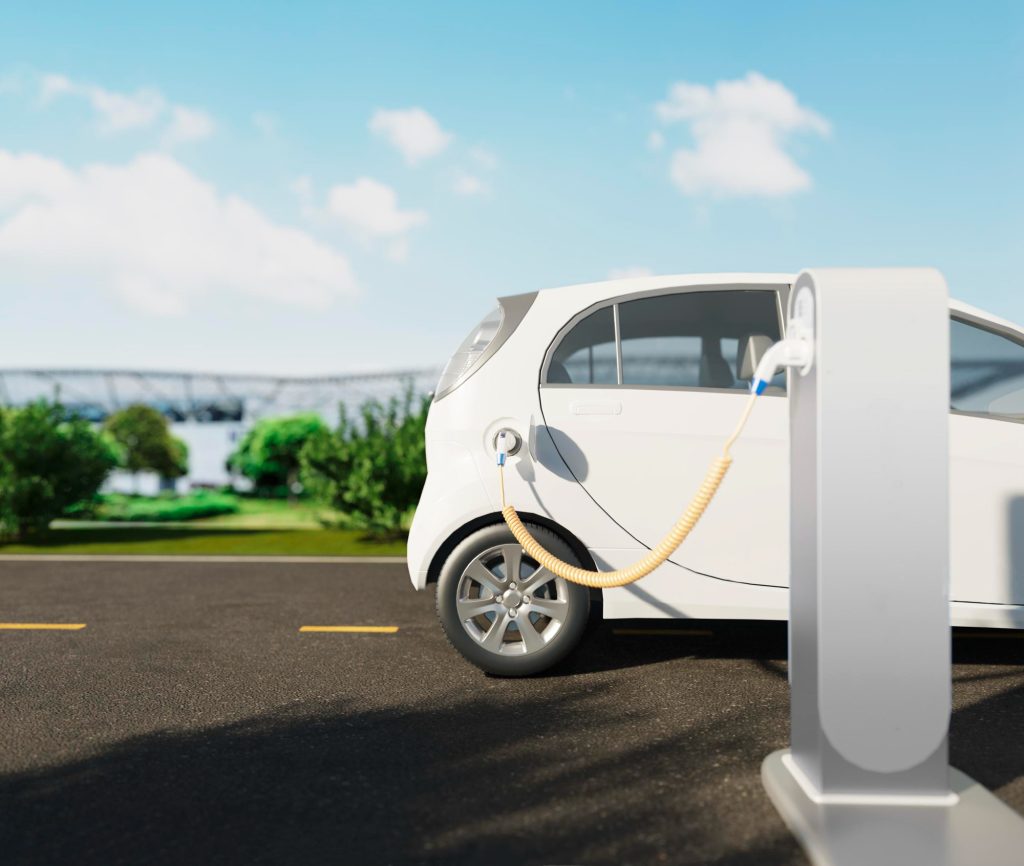
As electric vehicles (EVs) become more common in Victoria, more homeowners and businesses are looking into installing EV chargers at their property. If you’re in Melbourne or elsewhere in Victoria and wondering about the cost, installation process, and available incentives for EV charging — this guide covers it all.
Understanding EV Charging Needs in Victoria
According to Energy Safe Victoria, Victorian households drive around 38 km per day on average, which most modern EVs easily cover. This means that for many residents, installing a dedicated home EV charger (Level 2) makes practical sense: you plug in overnight or during off-peak periods and start the next day with a full battery. The cost and complexity depend on your property’s wiring, your energy connection, and whether you’re integrating solar.
What Does Installation Cost?
Costs vary based on the charger type, wiring, location, and whether you already have a suitable electrical connection.
-
For a typical home Level 1 outlet (standard power point), cost ranges from around $500 to $2,000 for hardware + circuit upgrades.
-
For a dedicated Level 2 wall-mounted charger, the cost often sits in the range of $1,000 to $3,000+ depending on installation complexity.
-
In more complex scenarios (e.g., wiring runs, older switchboard upgrades, three-phase connections, or multiple chargers) the cost can climb higher. The Victorian Parliamentary enquiry estimated household dedicated EV circuits from $1,750 up to $2,500 in some retrofit situations.
So if you live in Melbourne and your garage is adjacent to your switchboard, minimal additional work = lower cost. If you have to trench cable, upgrade your switchboard, or extend wiring, expect higher expense.
Installation Steps: What to Expect
-
Site assessment – A licensed electrician (preferably one with EV/solar experience) visits your property to inspect your switchboard, wiring, parking area and load capacity. Energy+1
-
Quote and design – They provide a quote covering charger hardware, labour, wiring, permits, any upgrades. Decide on charger speed (7 kW, 11 kW), smart features (WiFi scheduling/solar integration) and wiring route.
-
Electrical upgrades – If required, your switchboard may need new breakers, surge protection, or even service connection upgrade. Some older homes require major rewiring.
-
Charger installation – The unit is fixed to the wall or mounting structure, wired into your electrical supply, and tested. Installation must comply with AS/NZS 3000 wiring rules.
-
Commissioning & usage – The installer configures the charger settings, ensures correct smart scheduling (often for off-peak or solar charging), and hands over user instructions.
-
Maintenance – Once installed, ensure the unit is inspected periodically, wiring is checked, and firmware/controls (if smart) are updated.
Integrating with Solar & Home Energy
If you already have a solar panel system or plan to install one, linking your EV charger to solar can significantly reduce your charging cost. According to Solar Victoria’s “Getting your home EV-ready” guide, charging during solar generation or using stored solar energy means you’re using your own electricity rather than high-tariff grid power. Smart chargers can schedule charging when your system, or off-peak grid tariffs, deliver the best value.
Victorian Incentives & Rebates
When it comes to incentives, Victoria is somewhat mixed. While EV charger installation rebates for homeowners are not as generous as in some other states, there are still key points you should know:
-
The Victorian Government’s “Charging your electric vehicle” advisory outlines the installation and cost-factors for households and businesses.
-
A fact sheet for EV-ready buildings notes starting costs and encourages future-proof wiring while emphasising costs may start around $2,000 for a Level 2 installation.
-
Some sources indicate that direct residential charger hardware rebates in Victoria are not currently active. For example, EVSE Australia lists “No incentives available as of 1st September 2025” under Victoria in terms of charger grants.
-
However, federal and broader programs may still apply; plus bundling your EV charger installation with solar/home electrification may unlock solar rebates or government-supported loans.
Real-World Cost Savings & Considerations
By installing a home charger and using it wisely (especially with solar), you can reduce your running cost of your EV significantly compared with petrol/diesel vehicles. Moreover:
-
Charging during off-peak or when your solar system is producing can minimise additional electricity usage from high-tariff time periods.
-
Smart chargers allow scheduling and load-management so your vehicle charges when power is cheapest or most available.
-
Upfront cost should be seen as a one-off investment that improves convenience, home value (in EV-ready homes) and lowers ongoing fuel cost.
Important Tips & Warnings
-
Always use a qualified, licensed electrician with experience in EV charger installations, especially when integrating with solar systems. DIY or un-certified work can void warranties and raise safety risks.
-
Request multiple quotes — installation cost may vary significantly based on site conditions, wiring distance, switchboard status. For example one guide quotes Melbourne home charger installs at $1,200-$1,600 for simpler installs, up to $2,200+ for higher performance units.
-
Review your home’s power supply and wiring capacity — older homes may require upgrades, which significantly increase cost.
-
Check product and installer warranties; make sure your charger is compliant with Australian standards.
-
Stay up to date on incentives — offerings change frequently. While Victoria currently has limited grants, future programs may open.
-
Consider your long-term needs; if you plan multiple EVs or higher charge rates, planning for three-phase or higher capacity now may save cost later.
Conclusion
Installing an EV charger in Victoria is now a practical step for many households and businesses. With typical installation costs ranging from around $1,000 to $3,000+ for home setups — and additional cost depending on wiring, upgrades, and charger features — it’s a worthwhile investment. While direct residential rebates in Victoria are currently limited, coupling installation with solar systems or utilising smart charging can drive significant savings. Choose a reputable installer, plan for your property’s electrical capacity, and consider timing your charging with cheaper tariffs or solar generation to get the most value. As EV adoption grows, your home becomes future-ready — and you pay less to drive every day.
By staying informed about cost, installation steps, and incentive changes, you can make confident decisions about your EV charger setup in Victoria.